

If 8883772134 called, texted or left a voicemail, keep the message, search the number in several written forms and hold off on calling back until you know who you are dealing with. It carries a toll-free 888 prefix, which says nothing about where the caller sits, and no owner is confirmed here.
| Number as written | 8883772134, also (888) 377-2134, 888-377-2134 and +1 888 377 2134 |
| Prefix | 888, one of the toll-free codes used across the US and Canada |
| What the prefix tells you | The line is billed to the receiver, not tied to a town |
| Who holds the line | No owner is named or confirmed on this page |
| Safest first move | Save the evidence, then search before replying |
| Time needed | Roughly fifteen minutes for everything below |
Save everything 8883772134 sent before you touch the phone again
Start with a record, because the details that matter fade first. Within a day most people can no longer say whether the caller gave a company name, whether a deadline was mentioned or whether the voice was a recording.
Open your call history and write down the date, the time and how long the call lasted. If a voicemail exists, play it once more and note the exact wording rather than your impression of it. A phrase such as “final notice” or “your account has been flagged” is far more useful to a later search than a vague memory of an angry tone. For a text message, take a screenshot so any reference code or link stays exactly as it arrived, and do not tap anything inside it. Put it all into one note titled with the number, 8883772134, so a second contact next week lands in the same place.
Read 8883772134 the way a phone network does
A North American number has three parts after the country code: a three-digit area code, a three-digit exchange and a four-digit line. Written out, +1 888 377 2134 breaks into the country code 1, the code 888, the block 377 and the line 2134.
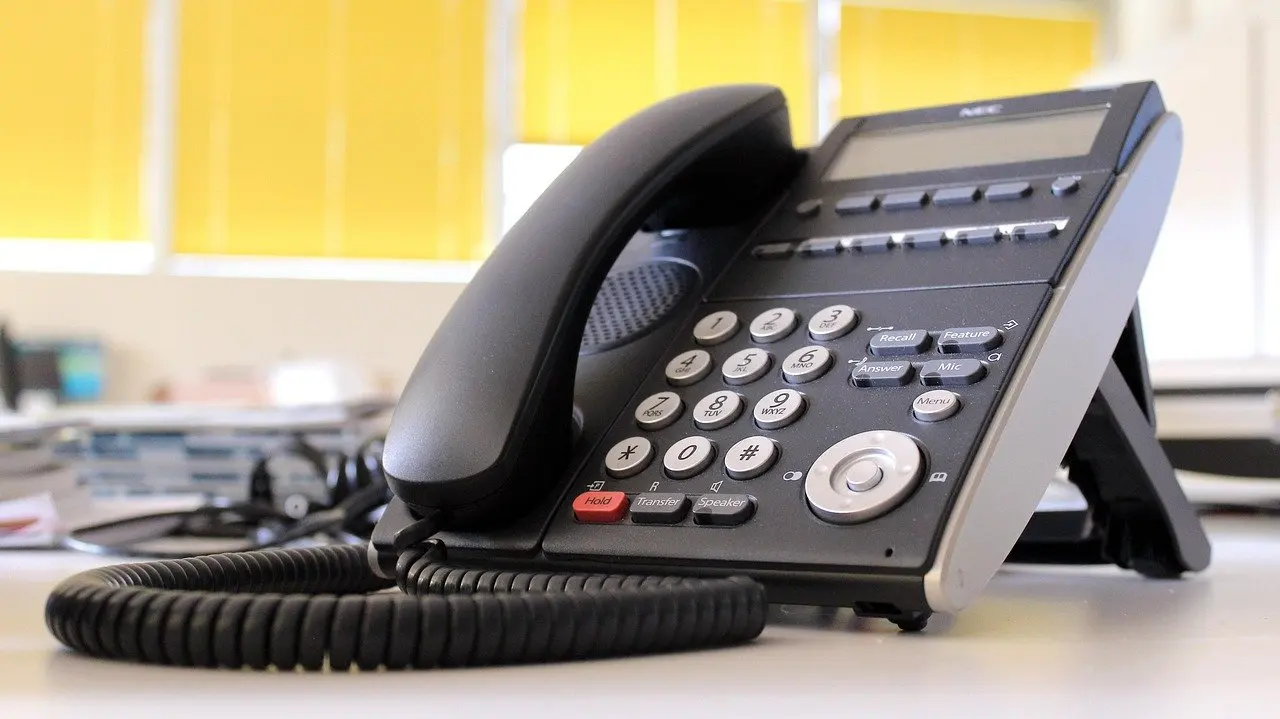
The 888 part is what stands out. It belongs to the toll-free family, alongside codes such as 800, 833, 844, 855, 866 and 877. Toll-free numbers are rented, not tied to a street, and the rental owner chooses where the calls go. A single toll-free line can ring a desk in one city, a call centre in another or a cloud phone system that forwards to a mobile. So the prefix does not point to a region, and it does not separate a company from an individual.
It also does not mark the number as risky. Large organisations use toll-free lines for customer service every day, and the same lines can be rented by anyone willing to pay a small monthly fee. What you can say from the digits alone is short: this is a toll-free number, and the rest has to come from the content of the contact.
Search 888-377-2134 and the other written forms
Search engines match text, so a page that prints the number one way may not appear when you type it another. Run each of these as its own search, with quotation marks to force an exact match: 8883772134, 888-377-2134, (888) 377-2134 and +1 888 377 2134.
Then read the results with a sceptical eye:
- Look for a page where an organisation lists the line as its own contact number. That is more informative than a forum comment, but it still has to fit the reason you were contacted.
- Treat comment threads as opinions. They are often years old, and toll-free numbers get reassigned, so a complaint may describe a previous holder.
- Skip any site that offers a name and address for a fee. It cannot know more than the public record, and the preview text is often vague on purpose.
- Do not read an empty result as a verdict. Plenty of ordinary lines have no web presence at all.
Whatever you find, use it to set your level of caution, not to close the question.
Decide what to do about a callback to (888) 377-2134
For most people the better answer is to wait. A return call confirms that your line is live and puts you in a conversation the other side has had time to prepare for.
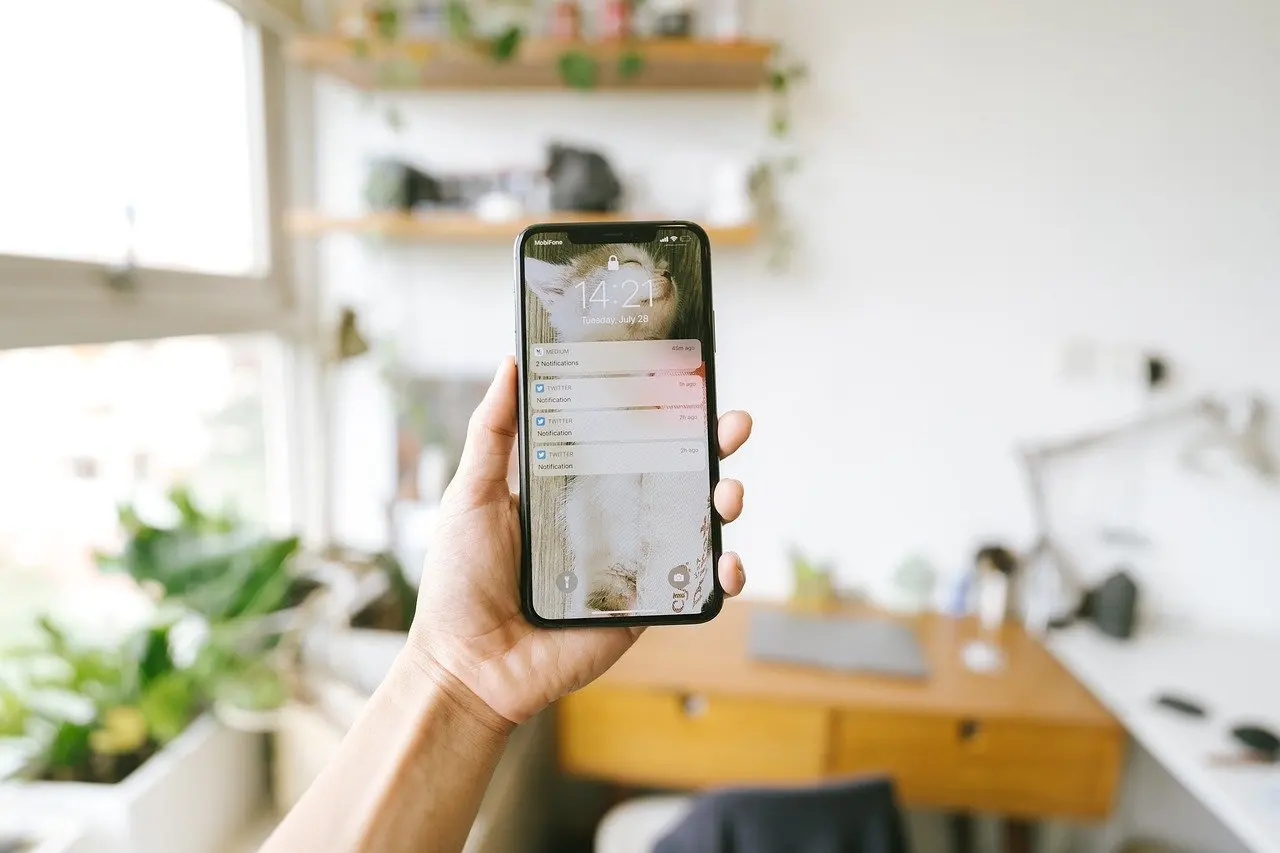
If the message named an organisation you actually deal with, such as a bank, a delivery firm or a clinic, go to that organisation’s official website or a paper statement and take its phone number from there. Call that number and ask whether anyone tried to reach you. If the message named nobody, or named a firm you have never used, there is nothing to return.
Ignore any instruction to press a key to be removed from a list. Pressing a button on an automated call often tells the system that a person answered, and that can bring more calls, not fewer.
Block 8883772134 on iPhone, Android and your carrier
Blocking is quick and fully reversible. On an iPhone, open Recents, tap the small info icon beside the entry and choose Block this Caller. On most Android phones, open the call log, press and hold the entry and choose Block or Report spam. The menu wording shifts between makers, but both systems keep a list in settings where you can undo it later.
One caution: a toll-free line is just one of many an automated dialler may use, so a single block may not end the calls. Add a second layer. Turn on silencing of unknown callers if your phone offers it, switch on your carrier’s spam filtering and look at any call-screening feature built into the phone. Your carrier’s support pages list the current steps, since names and menus change from year to year.
Tell the people you live with, too. Anyone who answers the house phone can be the one who gets pushed into a rushed decision, and a short agreement that unknown numbers go to voicemail helps more than any app.
Report it and secure your accounts if +1 888 377 2134 pressed you
If the contact asked for money, codes, passwords or remote access, it is worth reporting even if you did nothing. In the United States the Federal Trade Commission takes reports about unwanted and deceptive calls. In Canada the Canadian Anti-Fraud Centre does the same. Your carrier may also accept forwarded spam texts. Give the date, the time and the wording from your note, because patterns across many reports are what investigators can use.
Signs that justify a report include:
- Pressure to act within minutes, or a threat of arrest, closure or lost benefits.
- A request to buy gift cards, send a transfer or read out a one-time code.
- A demand to install software so someone can “fix” a device.
- An invitation to verify an account by confirming details the caller should already have.
If you already answered, paid or shared details after 888-377-2134 called
Act in this order. First, contact the bank, card issuer or service concerned using a number printed on a card or statement, and say exactly what you disclosed. Ask them to watch the account and replace any card that was read out. Second, change the password for every account that used the same login, starting with email, and do it from a device you trust. Third, if you let someone control a computer or phone, disconnect it from the network, remove any remote-access program you did not choose to install and have a trusted technician check it.
If you paid by gift card or transfer, call the issuer or your bank straight away. Speed matters, because some payments can be disputed within a short window, though no outcome can be promised. Keep your note and any receipts together in case you need to file a report later.
If nothing came of it, a blocked entry and a saved note cost you almost nothing. Check your accounts and call history again in a week, and treat any further contact from 8883772134 with the same patience.