
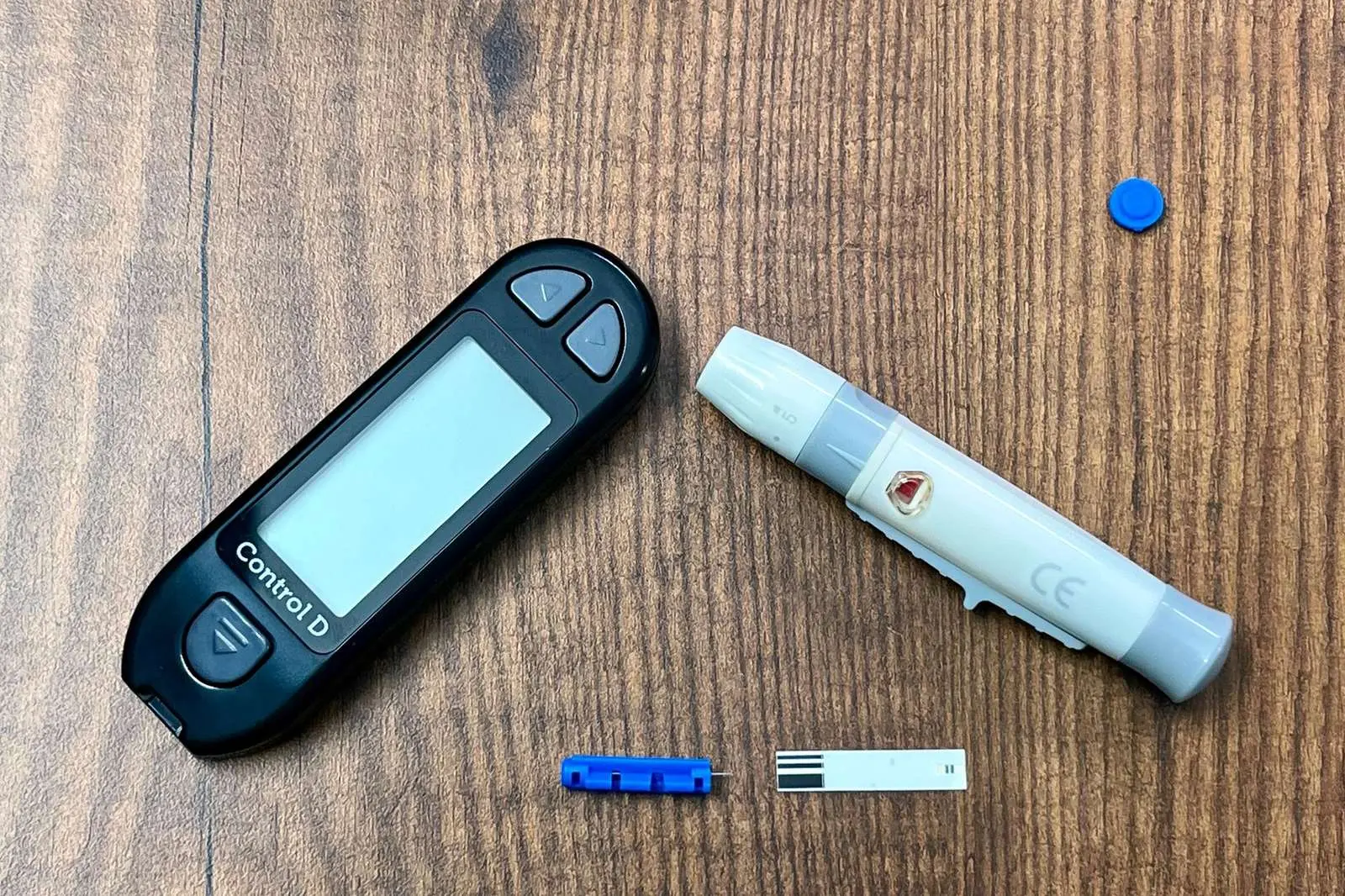
You see the CE mark on a charger or toy and wonder whether it means the product is safe. What does CE marking mean? It is the manufacturer’s own declaration that the product meets applicable EU rules, not a test result or official endorsement.
For the wider picture of weighing up products, see the guide on how to choose consumer products.
| Item | Value |
|---|---|
| Who affixes the mark | The manufacturer |
| Steps a manufacturer follows | 6 steps |
| Legal basis for the general principles | Regulation (EC) 765/2008 |
| Area where it matters | The EEA, including Iceland, Liechtenstein and Norway |
| Independent testing | Not mandated in general |
| Country of origin | Not indicated by the mark |
These figures come from the MCCAA’s CE marking page and the NBS guide to CE marking. Rules and guidance can change, so check the sources before you rely on them.
What does CE marking mean for a product?
The EU’s framework regulation defines the mark as a marking by which the manufacturer indicates that the product conforms with the applicable harmonisation legislation. The consolidated text of that regulation sets out the definition.
In practice, the maker is saying that the product has been assessed against the EU’s safety, health and environmental requirements. The MCCAA adds that this also covers products made in third countries but sold on the EU market.
The letters stand for Communauté Européenne, although some sources read them as Conformité Européenne, according to the NBS guide. The mark also means the product can be sold across the whole EEA, so shoppers there get the same baseline of protection.
What the mark does not tell you
The mark is easy to over-read. Here is what it leaves out:
- No official sign-off: the MCCAA states that the mark does not indicate a product has been approved as safe by the EU or by another authority.
- No origin: a product bearing the mark may have been made outside the EEA.
- No quality grade: the mark does not say the product was tested against a quality standard or endorsed by anyone.
- No guaranteed independent test: the NBS guide describes the mark as self-certifying, with independent testing not a mandated requirement.
That last point has an exception. For products with higher safety risks, such as gas boilers, the MCCAA explains that the manufacturer cannot check safety alone and a notified body appointed by national authorities has to perform the check.
Compare this with a licensed certification scheme. The NBS guide notes that the BSI Kitemark certifies that a product was tested by the BSI against the relevant British Standard, which the CE mark does not do.
Who checks the product before the mark goes on?
Responsibility sits with the manufacturer, who must carry out the conformity assessment, set up the technical file, issue the declaration of conformity and affix the mark. The MCCAA lists 6 steps that manufacturers must follow:
- Identify the applicable directives and harmonised standards.
- Verify the product-specific requirements.
- Identify whether an independent assessment by a notified body is necessary.
- Test the product and check its conformity.
- Draw up and keep the required technical documentation.
- Affix the mark and draw up the EU Declaration of Conformity.
Using a harmonised standard is voluntary, but the MCCAA notes that doing so gives a “presumption of conformity” with the matching EU requirements. Which rules apply depends on the product: for mains-powered electrical goods, the NBS guide points to the Low Voltage Directive, alongside electromagnetic compatibility and RoHS rules.
Which products carry the mark, and which should not?
Not every product needs it. The MCCAA says it is compulsory only for most products covered by the New Approach Directives, and it is forbidden to affix the mark to other products.
So a CE mark on a product outside those categories is a reason to look more closely. A toy, a TV or an appliance sold in the EEA is the sort of item where you should expect to find it.
How to use the mark when you shop
Treat the mark as the entry ticket to the market, then look for more evidence. A few checks take little time:
- Look at the shape. The NBS guide warns of a look-alike device with the letters C and E squeezed close together, which has no official standing and is sometimes mistaken for a China Export mark.
- Ask for the declaration of conformity. It usually accompanies products on import and typically shows which directives apply and the standards used.
- Look for independent marks. A third-party certification adds a check that the manufacturer’s own mark does not.
- Read the manual and the label. A named manufacturer or importer should be easy to find.
Safety marks also say nothing about what happens if something fails after purchase. For that, read about warranty vs guarantee before you pay.
Compliance is only one part of a purchase. When price matters, the best time to buy electronics is a separate question from whether a device is CE marked.
Frequently asked questions
Does a CE mark mean a product is safe?
Show answer
It means the maker claims the product meets the EU rules that apply to it. No public body has signed the product off just because the mark is there, so treat it as a starting point rather than proof.
Does CE mean the product was made in Europe?
Show answer
No. Goods made elsewhere can carry the mark if the maker has followed the process, and the mark says nothing about where a product came from.
Is the look-alike “China Export” mark the same thing?
Show answer
No. That device has no official standing, and its tighter letter spacing can lead shoppers to assume the product meets EU requirements when nobody has declared that it does.
Can a manufacturer put the mark on any product?
Show answer
No. Only products covered by legislation that provides for the mark may carry it, and affixing it to anything else is forbidden.