
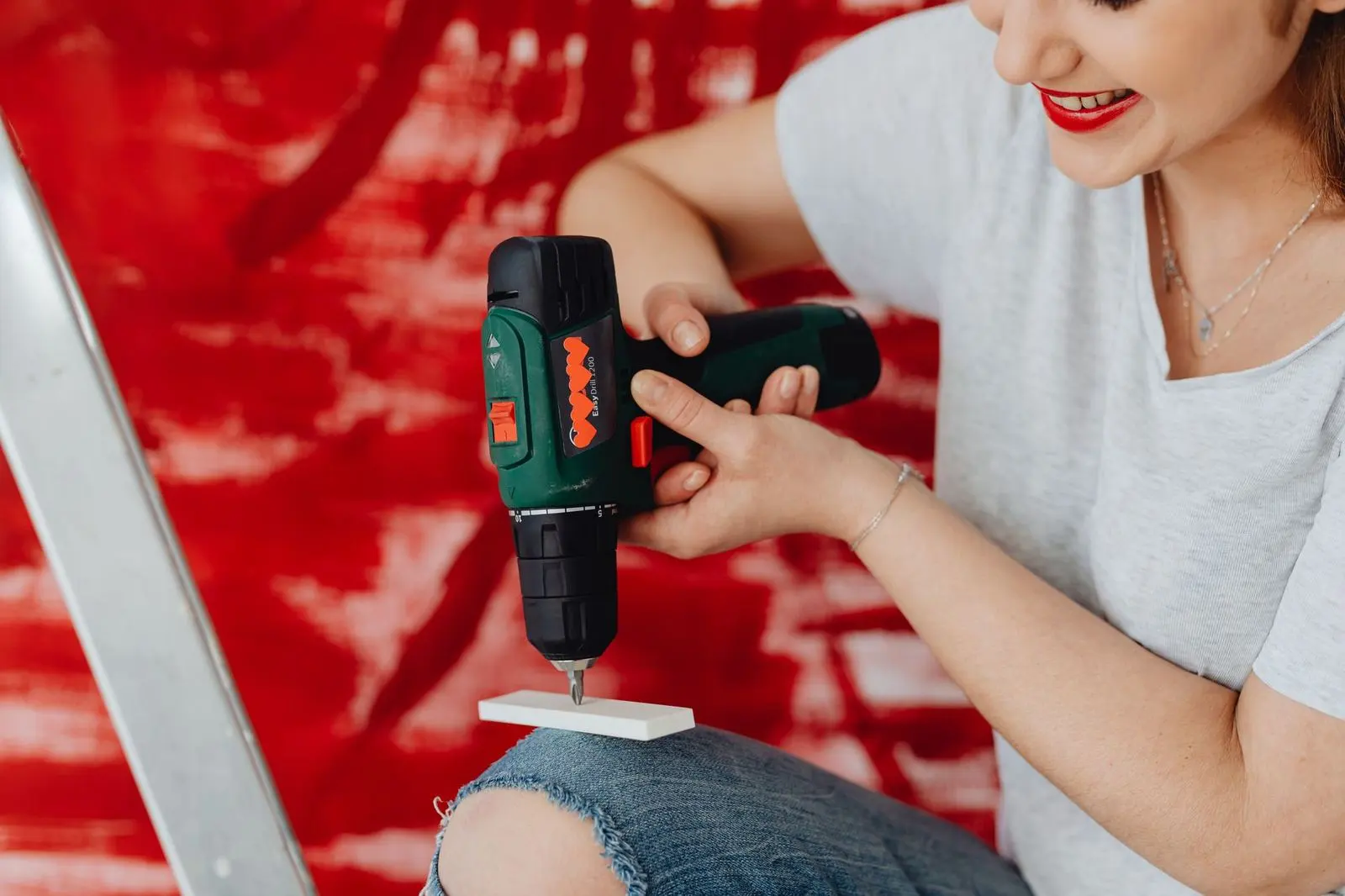
Not sure how to choose a cordless drill? Match the tool to your jobs: a light screwdriver-style tool for furniture, a mid-size drill for general work, a heavy-duty hammer drill for concrete. Then check motor, battery and balance.
For the wider picture of equipping a home, read the home improvement buying guide.
| Item | Value |
|---|---|
| Typical price span, drills and impact drivers | $30 to $400 |
| Common battery type | Lithium-ion (Li-ion) |
| Chuck size, light-duty tools | ¼-inch hex |
| Chuck size, medium-duty tools | 3/8-inch or ½-inch |
| Weight of the first homeowner portable drills | More than 5 pounds |
These figures come from Consumer Reports and This Old House. Prices and specifications change, so check the sources before you rely on them.
What a cordless drill does around the home
A drill/driver makes holes in wood, metal and masonry and, with the right bit, drives screws and other fasteners into those holes and backs them out again. That is how This Old House describes its basic job.
Consumer Reports adds that you will lean on a drill for big projects such as building a deck and remodeling a kitchen, and for small tasks like installing fixtures and assembling furniture. Your own list of jobs is therefore the best starting point.
The tool has changed a great deal. The first portable drills for homeowners arrived in the early 1920s, and back then they weighed more than 5 pounds, were tied to a cord and could break your wrist if the bit grabbed, according to This Old House. Torque-limiting chucks largely removed that danger and let drills drive screws.
Light, medium or heavy duty: which class fits your jobs?
This Old House sorts drill/drivers into three classes. Picking the class first narrows the field faster than comparing individual models.
- Light duty: these small tools, also called electric screwdrivers, typically have a ¼-inch chuck for hex-shank bits, as This Old House notes. They suit outlet covers and furniture, but their slow, low-torque motors tend to bog down in thick material.
- Medium duty: these come with 3/8-inch or ½-inch chucks and take a wide range of drill and driver bits, per the same guide. They spin fast and deliver more torque than light-duty tools, yet lack the oomph of tools with larger battery packs.
- Heavy duty: these have the most robust batteries and motors and can turn augers, Forstner bits and large hole saws. Their added weight and bulk make them clunkier and more tiring to use.
If you mostly hang shelves and build flat-pack furniture, a heavy-duty tool is more weight than the work calls for. If you plan to sink long screws or bore large holes, a light-duty tool will frustrate you.
Voltage, torque and batteries: reading the spec sheet
Torque separates the classes in practice. Light-duty tools generate very little torque, which is why they are likely to bog down when drilling into thick material, according to This Old House.
Battery size works the same way. Medium-duty tools lack the oomph of those with larger packs, while heavy-duty ones carry the most robust batteries. Neither guide here sets a voltage threshold, so treat pack size as one clue and the tool class as another when you compare spec sheets.
On chemistry, Consumer Reports says most cordless drills run on lithium-ion batteries, which deliver more power and longer run times in a lighter package than earlier generations.
Motors and features worth paying for
This Old House lists the common features of a cordless drill/driver, plus a short set of worthwhile upgrades. Both lists are useful when you compare models side by side.
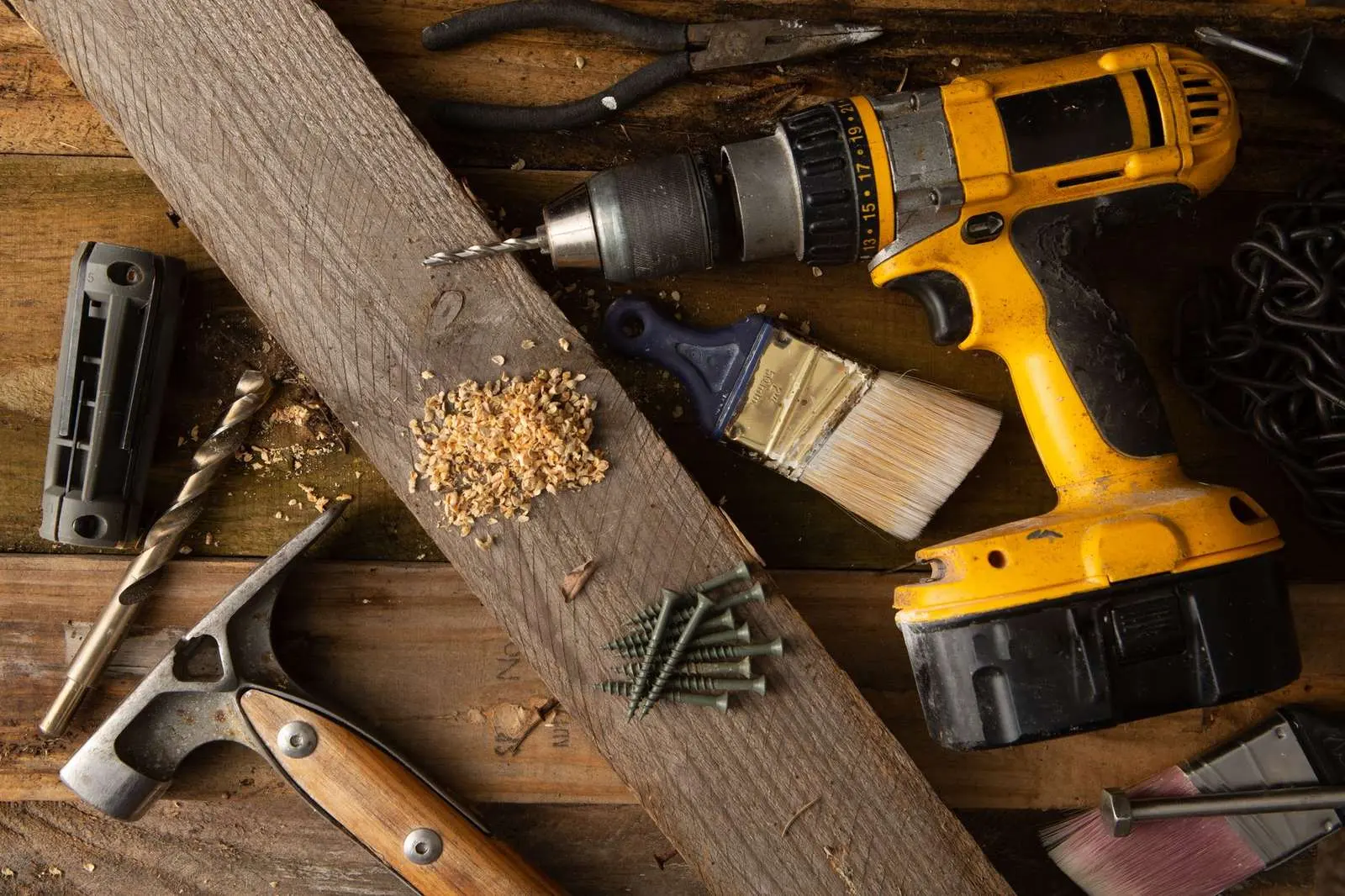
- Common: speed control, a clutch, a keyless chuck, a rotation selector, a variable-speed trigger, an LED light and a battery-level indicator.
- Worthwhile upgrades: a hammer feature for masonry or concrete, thermal-overload protection, electronic torque control and a brushless motor.
The brushless motor deserves a closer look. Consumer Reports says these motors used to be reserved for contractor-oriented brands but are now available in modestly priced consumer drills.
Price is wide open. The same guide puts new drills and impact drivers anywhere from $30 to $400, so decide your tool class before you set a budget.
Drill, hammer drill or impact driver?
An impact driver is an extremely powerful, compact tool that drives screws into wood, metal and cement more efficiently than a traditional cordless drill, says Consumer Reports. It is a popular choice for heavy-duty work such as framing walls or building decks.
For holes in concrete, look for the hammer feature instead. This Old House explains that heavy-duty models with a hammer-drill function pound their spinning bits thousands of times per minute to drill concrete quickly.
A simple way to decide:
- List the three jobs you expect to do most often.
- If most involve driving screws, an impact driver is worth considering.
- If any involve masonry or concrete, add a hammer-drill model to the shortlist.
- If your jobs are mixed and light, a medium-duty drill/driver covers the most ground.
Balance, testing and technique
Weight on a spec sheet only tells part of the story. This Old House advises that balance matters as much as weight, because even a small battery in the wrong place can make a tool awkward, so heft the tool before you buy it.
Independent labs measure what a spec sheet can only claim. Consumer Reports, for example, clamps each drill onto the spindle of a benchtop dynamometer and runs it flat out at each speed to measure maximum revolutions per minute.
Once the drill is home, technique protects both the tool and the work. Tighten the chuck evenly around the bit’s shaft, hold the bit perpendicular to the workpiece, and apply steady pressure while you slowly increase the motor speed, as This Old House describes.
Other household purchases reward the same spec-first thinking, as in this guide on how to choose a heat pump dryer and this one on how to choose a robot vacuum.
Frequently asked questions
Do I need a hammer drill?
Show answer
Only if concrete or masonry is on your job list. This Old House files the hammer feature under worthwhile upgrades rather than common features, so most light household work does without it.
Is a brushless motor worth the extra cost?
Show answer
Consumer Reports credits better motors and battery life with lifting drill scores in its own ratings. Since brushless designs have moved into affordable consumer lines, you can look for one without stepping up to contractor pricing.
How much does a cordless drill cost?
Show answer
Consumer Reports quotes a span from $30 to $400 across drills and impact drivers, per its buying guide. Because the range is so broad, pick the duty class that fits your work and then shop inside it.
Can a small screwdriver-style tool replace a drill?
Show answer
For tasks such as tightening outlet covers or assembling furniture, it can, and it fits in a kitchen drawer. It will struggle with thick material, though, so keep a larger tool for real drilling.