
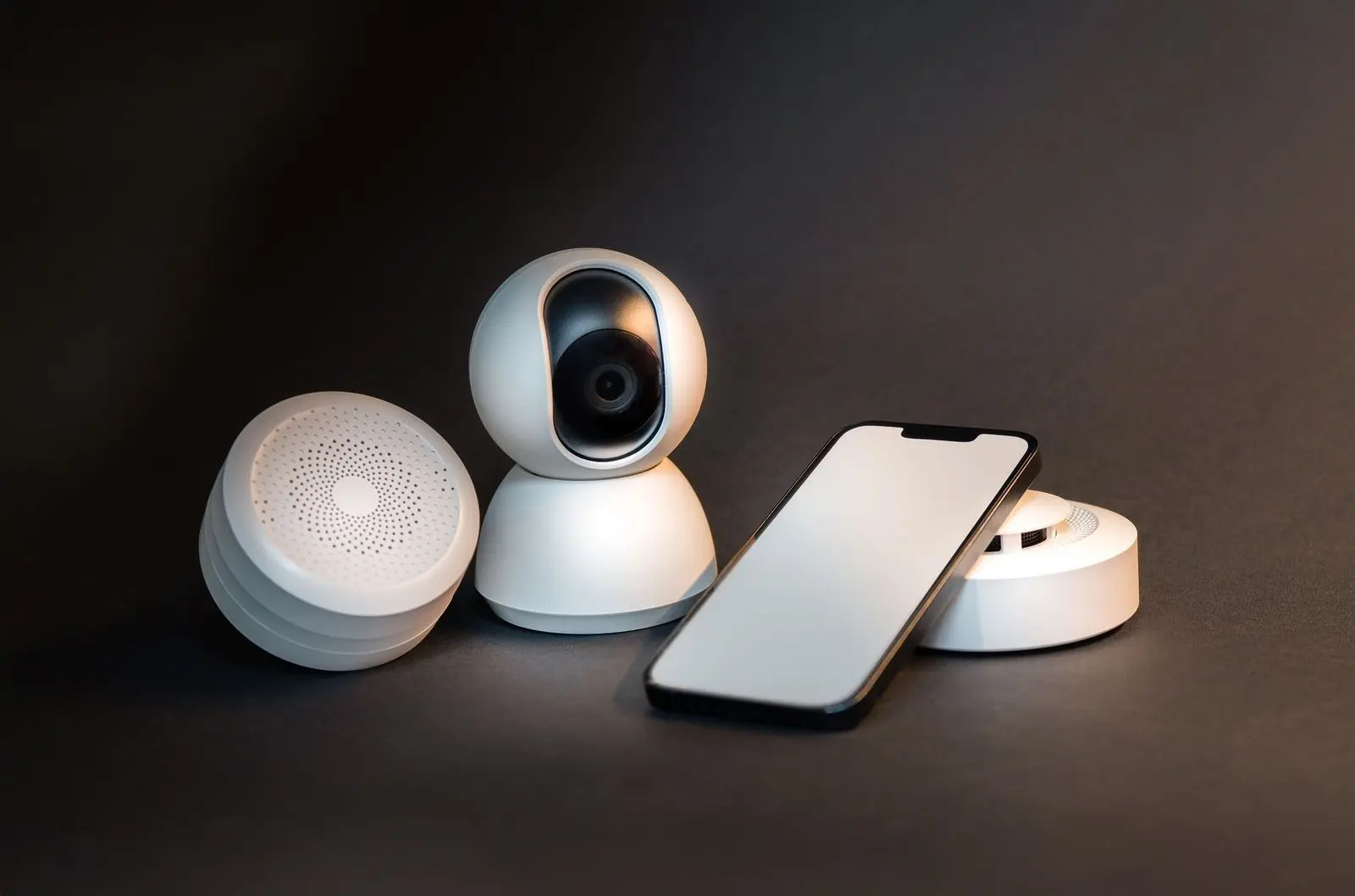
Choosing a phone, laptop or TV can feel like a maze of specs. This consumer electronics buying guide gives you one answer: start with how long the device will last and be supported, then match features to your needs.
| Item | Value |
|---|---|
| Battery endurance rule for smartphones and tablets | At least 800 charge cycles, retaining at least 80% of initial capacity |
| Delivery of key spare parts | Within 5-10 working days |
| Spare parts availability after a model is no longer sold | At least 7 years |
| Operating system updates | At least 5 years from the date the last unit model is sold |
| Repairability score scale on the label | A (most repairable) to E (least repairable) |
| External power supplies sold in the EU each year | Over 400 million |
The figures come from the European Commission’s June 2025 news item on smartphones and tablets and its October 2025 Common Charger announcement. They can change, so check the sources before you rely on them.
Why support and repair rules matter before specs
Before you compare screen sizes or processors, check how long a device is meant to last and be supported. For phones and tablets, the EU’s ecodesign rules now put minimum figures on that question. As of the European Commission’s 20 June 2025 news item, the new ecodesign and energy labelling rules apply to smartphones, cordless phones and tablets placed on the EU market.
The regulation sets a floor for battery durability: batteries must be capable of at least 800 charge cycles while retaining at least 80% of their initial capacity, according to the Commission. A floor is a minimum, so it says little about how far above it a particular model sits.
The same rules also cover repair and software support, as the Commission’s summary lists:
- Manufacturers must supply key spare parts within 5-10 working days.
- Spare parts must stay available for at least 7 years after the product model is no longer sold in the EU.
- Operating system updates must stay available for at least 5 years from the date the last unit model is sold.
- Professional repairers get fair access to the software or firmware needed for repairs.
In practice, ask how long updates run, how long parts stay on sale and how the battery is rated. If a listing hides those answers, treat that as a reason to keep looking.
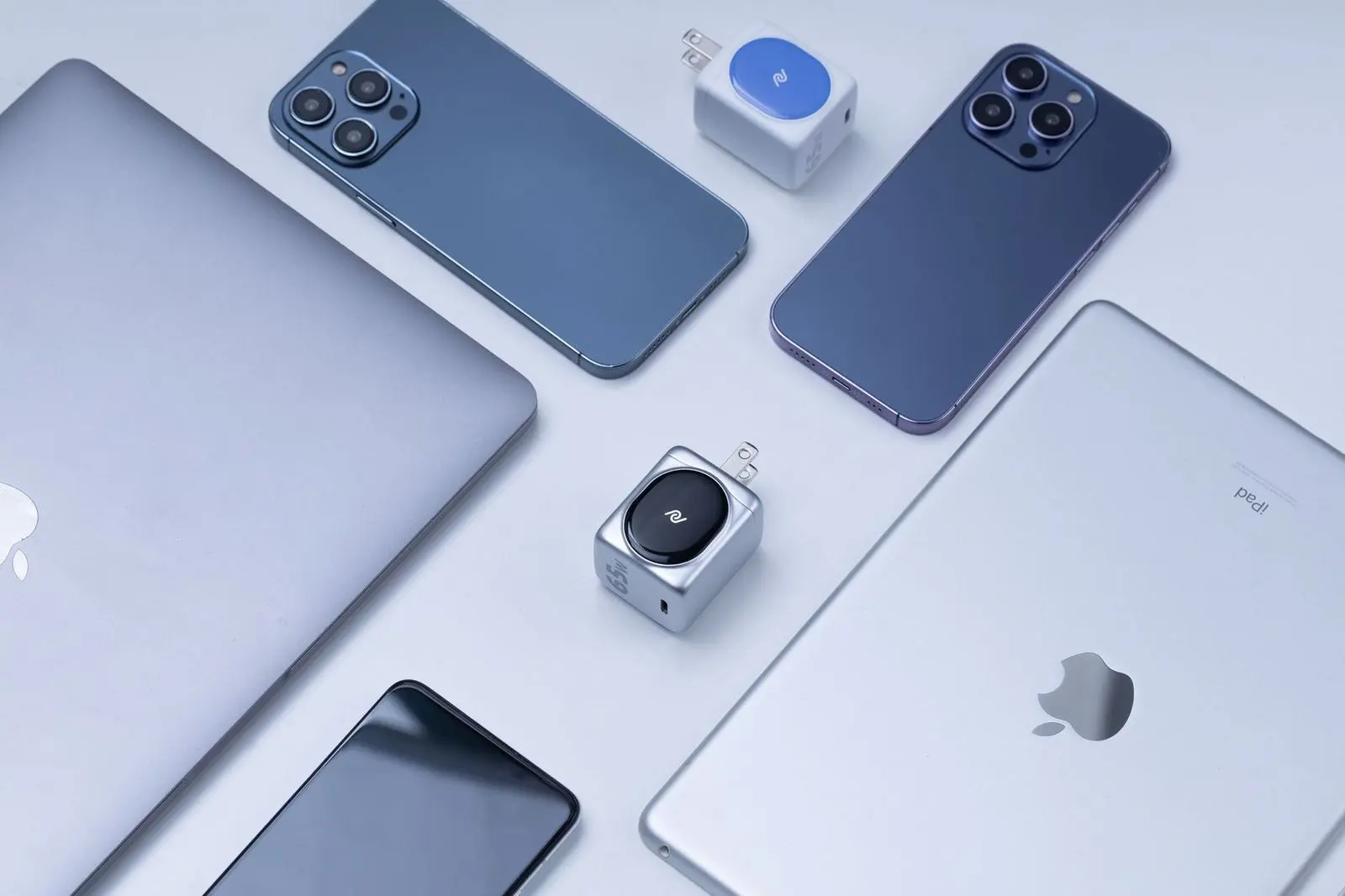
How do you read an energy label and repairability score?
Under the Energy Labelling Regulation, smartphones and tablets must display information on energy efficiency, battery lifespan and resistance to dust, water and accidental drops, as the Commission explains.
Products placed on the EU market must also show a repairability score for the first time. The Commission’s news item describes it as running from A (most repairable) to E (least repairable).
As of that June 2025 news item, the label and product information were to be made available through the publicly available EPREL database, so you can read them before you buy. The label and information sheet are meant to be easy to download, which lets you compare models side by side. Find the source on the Commission’s page.
Use the label to compare models on the same footing:
- The energy efficiency class and the battery information.
- The resistance to drops, dust and water.
- The repairability class from A to E.
- The matching product information sheet.
A label does not replace your own priorities. A phone with a strong repairability class may still lack the camera or screen you need.
Chargers and cables: what the Common Charger rules change
Chargers are the part of the kit people forget to budget for. Each year over 400 million external power supplies (EPS) are sold in the EU, according to the European Commission’s announcement of 13 October 2025.
The Common Charger idea grows out of the Radio Equipment Directive. Per that Commission announcement, the new decision builds on the harmonisation of charging ports and fast charging technology for devices like smartphones, tablets or laptops.
The Commission says all USB chargers on the EU market will need at least one USB Type-C port and must operate with detachable cables (source). Devices within the scope of the interoperability rules will display the EU Common Charger logo, which is meant to help you match a charger to a device.
On timing, the Commission announcement says manufacturers will have 3 years to prepare for the changes, with the rules applicable at the end of 2028. TÜV’s summary of the regulation says it will enter into force on December 14, 2025, with most provisions applying from December 14, 2028.
A Commission draft from November 2024 proposed excluding some power supplies from the interoperability requirements. Examples were those used in wet-use conditions or powering toys, vacuum cleaners, most power tools or audio equipment. That was a draft, so read the final text before you assume a given charger is covered.
When you shop, a few quick checks save money on accessories:
- Find out whether a charger is in the box or only a cable.
- Check the port type and whether the cable detaches.
- Compare the charger’s rated power with what your device accepts.
- Keep chargers you own if they already fit the new device.
These habits matter most for laptops, tablets and phones, which often share chargers in one household.
Which guide fits the device you are buying?
Each device type has its own criteria, so move on to the matching guide once the basics above are clear.
- For a computer you carry daily, read how to choose a laptop to weigh portability, performance and battery.
- If a phone is next on your list, how to choose a smartphone covers the questions worth asking about camera, battery and software support.
- For the living room, how to choose a TV explains the screen and size decisions.
- When sound is the goal, how to choose headphones sets out fit, type and features.
- If you work at a desk, how to choose a monitor lists what to compare before you buy a screen.
- To upgrade TV audio, how to choose a soundbar helps you match a speaker to your room and setup.
- If your connection is the weak link, how to choose a wifi router covers what matters for home coverage.
- For travel and long days away from a socket, how to choose a power bank explains capacity and port questions.
- When a larger screen than a phone is enough, how to choose a tablet walks through the main decisions.
Several of these products end up in the same bag or on the same desk, so check how each one charges. A power bank, a tablet and a laptop may share one cable type, which can cut what you spend on accessories.

A simple order for comparing any electronics
Whatever you are buying, the same sequence keeps the decision calm and keeps marketing claims in proportion.
- Define the job. Write down what the device must do daily, and ignore features outside that list.
- Set a total budget. Include the charger, case, cables and any extra warranty you want.
- Check support and repair. Look for update length, spare-part availability and the repairability class where a label exists.
- Read the spec sheet. Compare ports, battery information and charging details model by model.
- Compare the seller’s terms. Look at return and warranty conditions in writing before you pay.
- Keep a short list. Pick from a handful of options instead of scrolling through dozens.
This site is an independent editorial guide and does not test or rank products, so it explains criteria rather than naming winners. For choices beyond electronics, the guide on how to choose consumer products covers the general method. If your next purchase is for the house, the home improvement buying guide is the place to go.
Frequently asked questions
Do the EU smartphone rules guarantee a long-lasting phone?
Show answer
No. The rules set minimum requirements, so they work as a baseline rather than a quality ranking. The Commission presents the label as a tool for more informed purchasing choices, so compare each model’s details.
Where can I find a repairability score?
Show answer
Look for the repairability class on the energy label of a smartphone or tablet. Product information is also meant to be reachable through the EPREL database, so a model name is usually enough to start a search.
Will my existing charger stop working?
Show answer
The sources describe requirements for products placed on the EU market, not for chargers already in your drawer. Check the port type and cable of any charger against your device’s specification sheet.
Should I always buy the newest model?
Show answer
Not necessarily. An older model with a long support period and available spare parts can suit your needs better than a new one with little information. Compare the label and spec sheet instead of the release date.
Can this guide tell me which brand is best?
Show answer
No. The site does not test products, score them or name winners. It explains criteria, standards and sourced facts so you can judge for yourself.